Introduction: More Than Just a Mirror Image
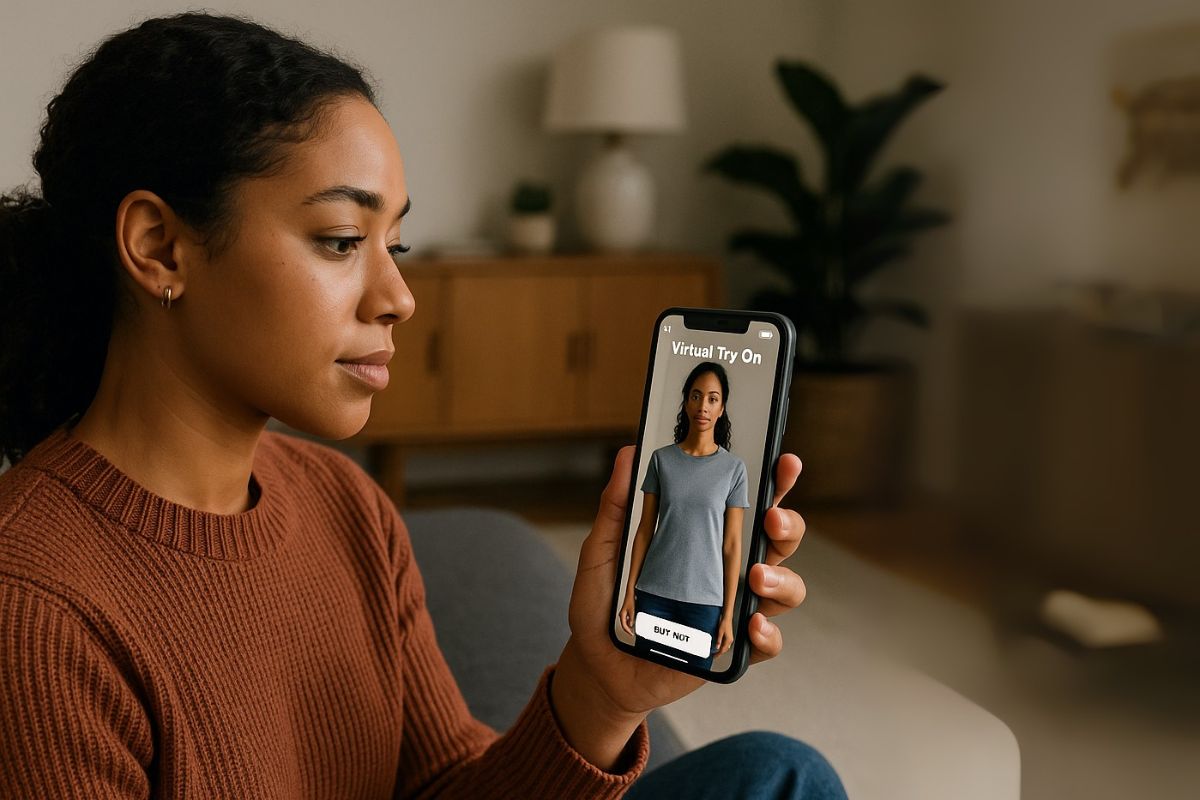
Virtual try-on technology is being marketed as a game changing retail innovation, offering consumers a chance to preview products, from clothing to cosmetics to furniture, in real time, using only a smartphone or computer. The promise is appealing: better fit, fewer returns, smarter shopping.
But beneath the polished user interface lies a complex interplay of algorithms, assumptions, and design compromises. As with any technology that relies on simulated outputs, the question isn’t just how impressive it looks, it’s how accurate it is. This article examines the mechanics behind virtual try-ons, the data they rely on, and the implications for consumers and retailers alike.
How the Technology Works: The Algorithmic Foundation
At its core, virtual try-on technology combines augmented reality (AR), 3D modeling, and machine learning. Here’s a breakdown of how these systems function:
- Augmented Reality (AR): AR overlays digital content onto a real world environment using camera input. In the context of try-ons, AR allows a user to see a product (e.g., a dress or a sofa) appear on their body or in their room through their device screen.
- 3D Modeling: Retailers must build high fidelity, scalable 3D models of their products. These models are often created using photogrammetry or 3D scanning and must be optimized for different screen sizes and bandwidth limitations.
- Machine Learning and AI: Algorithms are trained to recognize facial features, body measurements, and environmental factors (lighting, background, motion). These systems match user data with product metadata to provide realistic rendering and size recommendations.
Together, these tools simulate a highly visual and responsive user experience. But a closer inspection reveals limitations, particularly when it comes to precision.
The Fit Gap: Why Virtual Try-Ons Sometimes Miss the Mark
Despite the promise of accuracy, virtual try-on tools are still prone to error. Several factors contribute to this “fit gap”:
- Standardized Models vs. Real Bodies: Many 3D models and sizing algorithms are based on average proportions or idealized templates. This often fails to account for body shape diversity, posture, and movement. A shirt that looks fitted on screen may bunch awkwardly in real life.
- Lighting and Environment: AR tools are highly sensitive to lighting conditions. A lipstick shade that looks flattering under indoor LED lighting may appear different in natural light, despite appearing accurate during the try-on experience.
- Camera Calibration and Device Variability: The effectiveness of the try-on often depends on the quality of the user’s camera and device processing capabilities. Older phones may struggle to render models correctly, leading to scaling errors or visual lag.
- Cloth Simulation and Physics: Many virtual try-on systems cannot yet replicate fabric behavior, how a material drapes, stretches, or responds to motion. Without accurate cloth physics, the visual result may misrepresent how the item fits and and moves.
These issues underscore a key point: while virtual try-ons enhance visualization, they do not yet guarantee precision fit.
Consumer Behavior Insights: Confidence vs. Accuracy
Data from recent surveys provides a nuanced view of how consumers perceive virtual try-on experiences:
- 72 percent of users say virtual try-ons increase their confidence in making a purchase.
- 58 percent believe the fit or color is close to what they receive in reality.
- 21 percent report returning items even after using a virtual try-on tool.
This gap between perceived and actual accuracy reveals a behavioral paradox: consumers trust the technology more than its current capabilities justify. It also raises questions about how clearly retailers communicate the limitations of these tools.
The Business Case: Conversion Rates and Return Reduction
Despite their imperfections, virtual try-ons have undeniable business advantages. According to a 2025 study by CanadianSME:
- Brands using AR based previews saw conversion rate increases of up to 250 percent.
- Return rates decreased by 22 to 35 percent across fashion, eyewear, and furniture categories.
- Time spent on product pages increased by an average of 38 percent, indicating higher engagement.
These metrics are not trivial. For small and medium businesses competing in saturated markets, virtual try-ons represent a cost effective way to reduce uncertainty and increase purchase likelihood. But these gains are contingent on responsible implementation and realistic expectation setting.
What Retailers Need to Know Before Adoption
For businesses considering virtual try-ons, the following checklist is essential:
- Quality of 3D Models: Poorly designed models will undermine trust and visual clarity. Invest in accurate, scalable, and lightweight 3D assets.
- Device Compatibility: Ensure your AR solution works across platforms, screen sizes, and bandwidths. Optimization for mobile users is especially critical.
- Transparent Sizing Data: Use AI tools that integrate real measurement data rather than relying solely on general size charts.
- Post Try-On Feedback Mechanisms: Allow users to rate the accuracy of their virtual try-on experience. This data can be used to train better algorithms and increase future reliability.
- Clarity in Communication: Be upfront about the limitations of virtual try-ons. Clear messaging earns long term trust, even if the short term outcome is imperfect.
Future Trajectory: Where the Technology Is Headed
The next phase of development in this space is focused on personalization and accuracy. Current trends include:
- Real Time Body Scanning: Emerging apps can now capture full body dimensions using a simple spin in front of the camera, improving size predictions.
- Dynamic Texture Rendering: Advancements in GPU rendering allow more accurate reflections, shadows, and fabric behavior during virtual try-ons.
- Contextual Recommendations: Machine learning is being used not just to fit, but to suggest. For example, pairing lipstick shades with outfit colors or matching sofa styles with interior design themes.
- Integration with Inventory Systems: Some tools are now linking virtual try-ons with real time inventory data to prevent disappointment from out of stock items.
These enhancements will push virtual try-ons closer to the real world experience. But accuracy will always depend on high quality inputs, both from brands and from users.
Virtual try-on technology offers significant improvements in e-commerce interaction and consumer satisfaction. It reduces guesswork, supports decision making, and improves engagement metrics. However, it is not infallible.
The algorithms behind these tools are only as strong as the data fed into them. And while they can simulate appearance with increasing realism, they cannot replicate tactile experience, weight, or feel. For now, virtual try-ons are best seen as an assistive tool, one that helps narrow choices and boost confidence, but still requires realistic expectations.
Retailers who deploy this technology with transparency and precision will benefit most. The key is not just showing what a product looks like, but acknowledging where the simulation ends and where reality begins.








No Comments