Introduction
The landscape of artificial intelligence (AI) is evolving at an unprecedented pace, reshaping the operational frameworks of industries worldwide. Yet, small businesses—critical drivers of economic growth—are finding themselves in a precarious position, lagging in the adoption of these transformative technologies. As we look towards 2026, the urgency for small enterprises to harness AI for enhanced competitiveness is palpable. This investigative piece uncovers the multifaceted barriers small businesses face in embracing AI, highlights emerging trends, and showcases compelling success stories that illuminate pathways to technological integration.
The AI Adoption Landscape
In 2023, a stark contrast emerges between large corporations and small businesses regarding AI integration. Data from a 2022 McKinsey survey reveals that a mere 23% of small enterprises—those with fewer than 500 employees—have adopted AI in their operations. This disparity raises pressing questions: What is holding small businesses back? The reasons are complex and interwoven, characterized by financial constraints, limited technical expertise, and an overarching fear of change.
Identifying Key Barriers
Understanding the barriers that obstruct AI adoption is crucial for small businesses aiming to thrive in a digital age:
- Cost: The financial burden of integrating AI technology can be daunting. With tight budgets, many small businesses struggle to justify the initial investments required for sophisticated AI solutions.
- Lack of Expertise: The technical knowledge gap poses a significant hurdle. Many small business owners are not equipped to implement or manage AI systems, leading to a reluctance to pursue these innovations.
- Fear of Change: The transition to AI-driven processes can be intimidating. Small business owners often grapple with concerns about job displacement and the complexities associated with new technologies, fostering resistance to change.
- Data Privacy Concerns: The necessity of data in AI applications raises apprehensions regarding regulatory compliance and ethical considerations, leaving small enterprises feeling overwhelmed.
Current Trends in AI Adoption
Despite these challenges, an encouraging trend is emerging. Small businesses are gradually beginning to embrace AI, driven by innovative solutions:
- Cloud-Based Solutions: The advent of cloud computing has democratized access to AI tools, allowing small businesses to tap into advanced technologies without the need for hefty upfront costs.
- AI as a Service (AIaaS): Subscription-based AI offerings are becoming increasingly popular, enabling small enterprises to utilize AI solutions tailored to their needs while mitigating financial risks.
- Increased Awareness: Visibility of successful AI implementations is fostering a growing recognition among small business owners regarding the potential enhancements in customer service and operational efficiency.
Success Stories
Amidst the myriad challenges, several small businesses have successfully navigated the AI landscape, offering valuable insights:
- Retail: A boutique in Toronto harnessed AI-driven analytics to refine its inventory management, effectively predicting customer preferences and minimizing waste.
- Hospitality: A family-run hotel in California integrated an AI chatbot for customer inquiries, elevating satisfaction levels and lightening the staff’s workload.
- Marketing: A local marketing agency adopted AI tools to automate social media campaigns, resulting in heightened engagement and a remarkable 30% increase in clientele.
Strategies for Effective AI Adoption
To bridge the AI divide by 2026, small business owners should consider the following strategic approaches:
- Start Small: Initiating pilot projects with minimal investment allows businesses to gauge the impact of AI technologies before committing to larger-scale implementations.
- Invest in Training: Equipping employees with training on AI tools can demystify the technology and foster confidence in its effective utilization.
- Leverage Partnerships: Collaborating with tech firms or educational institutions can provide essential resources and expertise that small businesses may lack.
- Focus on Customer Experience: Prioritizing AI applications that enhance customer interactions can create a direct link between technology adoption and improved sales and loyalty.
Conclusion
The pathway to AI adoption for small businesses is fraught with obstacles, yet it is rich with opportunities for those willing to explore. By identifying and addressing barriers, learning from successful implementations, and adopting strategic initiatives, small business owners can position themselves to not just survive but thrive in an increasingly AI-driven marketplace. As we approach 2026, bridging the AI divide is not merely an option; it is a necessity for securing a sustainable future.




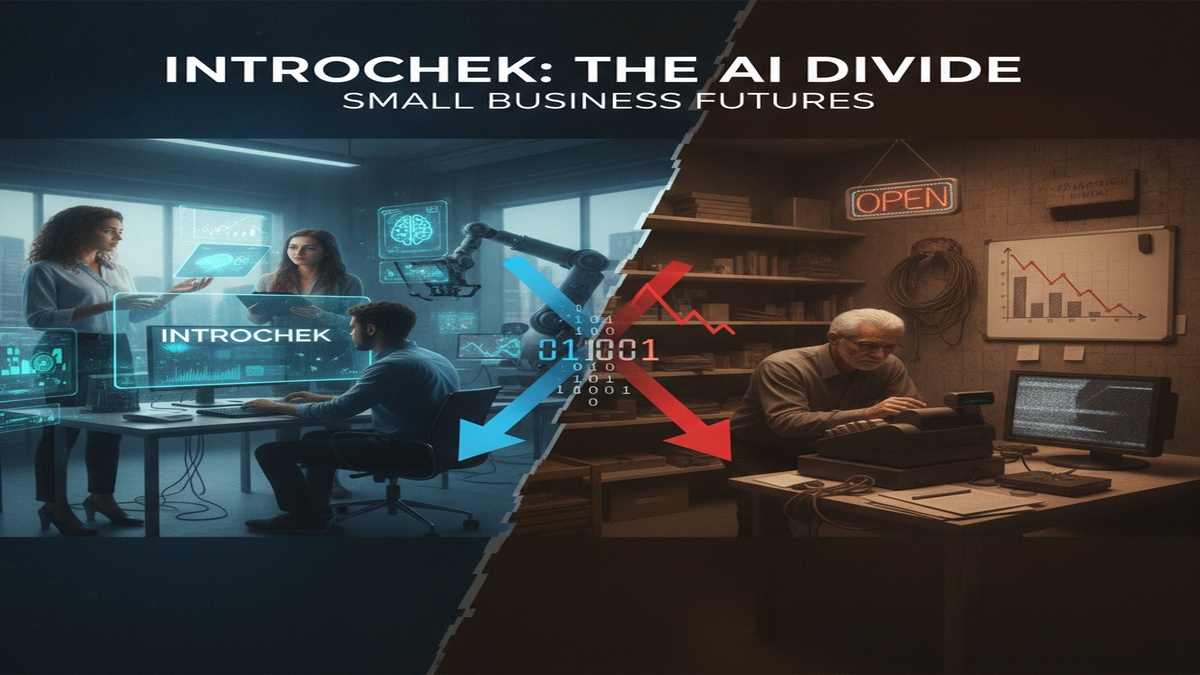 Image via TRIDENT / Introchek






Comments are off for this post.