Introduction
As we delve deeper into the digital landscape of 2026, a notable shift is occurring among small businesses: the embrace of artificial intelligence (AI) as a pivotal tool for operational excellence and strategic decision-making. This investigative piece scrutinizes how these enterprises are leveraging AI to navigate challenges, enhance productivity, and fortify their competitive stance against larger corporations.
The Surge of AI Adoption Among Small Enterprises
Recent findings from the Small Business Administration reveal a striking trend: by 2026, approximately 60% of small businesses have incorporated AI technologies into their operations. This remarkable uptake can be traced back to declining costs of AI solutions, the democratization of cloud-based tools, and an urgent drive for operational efficiency. From AI-enhanced customer service interfaces to smart inventory management systems, small businesses are harnessing innovative AI strategies to redefine their operational frameworks.
A compelling case study can be observed in GreenLeaf, a small e-commerce platform specializing in organic goods. By integrating an AI-powered customer service chatbot, GreenLeaf has achieved a remarkable 70% reduction in response times, thus enhancing customer engagement and satisfaction. This technological advancement not only streamlines customer interactions but also liberates employees to tackle more strategic initiatives.
Streamlining Operations through AI
AI’s influence extends far beyond customer service; it is revolutionizing inventory management and logistics as well. A study conducted by McKinsey indicates that small retailers employing AI for inventory forecasting have experienced a 30% decrease in waste and a 20% uptick in sales attributed to improved stock management. By leveraging predictive analytics, businesses can anticipate demand fluctuations, maintaining optimal inventory levels while minimizing excess stock.
Harnessing Data for Insightful Decision-Making
In 2026, small businesses increasingly depend on AI-driven data analytics to inform their strategic decisions. For instance, a bakery in Toronto utilized AI algorithms to assess customer buying trends, resulting in a bespoke marketing campaign that lifted summer sales by 25%. By tapping into data-driven insights, small enterprises can craft targeted marketing strategies, refine pricing structures, and enhance their product offerings.
Navigating Challenges in AI Implementation
However, the journey toward AI adoption is not without its challenges. Small businesses encounter significant hurdles, including initial investment costs, concerns over data privacy, and the necessity for employee training. Fortunately, many are surmounting these obstacles through collaborations with technology firms and partnerships with educational institutions that provide essential resources and training.
The AI-Driven Future of Small Enterprises
The trajectory of small businesses in 2026 is intricately linked to the advancements in AI technology. As we look ahead, we can anticipate increasingly sophisticated AI applications tailored to meet the distinct needs of smaller enterprises. Innovations such as AI-driven financial forecasting, personalized customer experiences, and advanced supply chain management will empower these businesses, enabling them to swiftly adapt to fluctuating market dynamics.
Conclusion
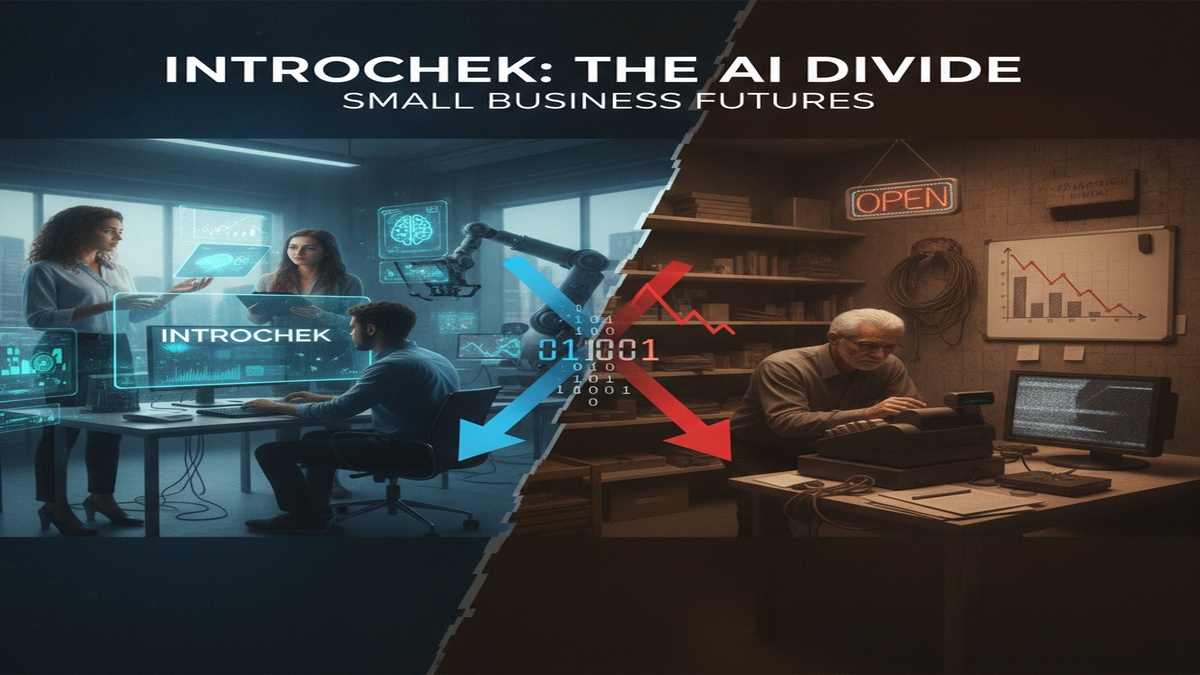
In summary, AI technologies are evolving from a luxury to a necessity for small businesses striving for survival in an increasingly competitive digital marketplace. By embracing these innovations, small enterprises can bolster operational efficiency, engage in data-informed decision-making, and empower themselves to contend with larger rivals. As we move forward, the imperative for small businesses will be to continuously explore and adopt AI technologies to secure their place in the future economy.




 Image via TRIDENT / Introchek






Comments are off for this post.