In today’s rapidly evolving digital landscape, one of the most intriguing yet concerning advancements is the rise of deepfakes. These AI-generated videos and audio recordings can convincingly depict people saying or doing things they never actually did. As this technology becomes more sophisticated, it challenges our understanding of truth and reality, posing significant ethical, professional, and personal dilemmas.
Understanding Deepfakes and Their Reach
Deepfakes have been making headlines with their ability to manipulate visuals and audio in ways previously unimaginable. From altering speeches to creating entirely fabricated scenarios, the implications are vast. For professionals, this technology not only affects individual privacy but also threatens the integrity of entire industries. Imagine a world where trust in video calls, interviews, or media presentations becomes fragile, impacting everything from hiring processes to corporate reputations.
Privacy and Trust in a Deepfake Era
One of the most immediate concerns with deepfake technology is its potential to infringe on personal privacy. By replicating someone’s likeness without consent, deepfakes can lead to unauthorized use of personal images and voices, resulting in significant privacy violations. As professionals, it’s crucial to recognize how this could affect your career and personal life. A fabricated video could damage a reputation built over years or create misunderstandings in professional relationships.
Moreover, the proliferation of deepfakes can erode trust in digital media. In an era where visual content is a primary source of information, distinguishing between what is real and what is fake becomes increasingly challenging. This uncertainty can lead to a more skeptical public, which might question the authenticity of legitimate content, affecting businesses that rely heavily on media and communication.
Regulatory and Ethical Considerations
With these challenges in mind, regulatory bodies and organizations are actively seeking ways to mitigate the risks associated with deepfakes. Governments are considering laws that would penalize the creation and distribution of harmful deepfakes. Meanwhile, tech companies are developing AI-driven detection tools to identify and flag manipulated content.
However, the regulatory landscape is still catching up with the technology. For professionals navigating this environment, it’s important to stay informed about new laws and regulations that could impact your industry. Being proactive in understanding these changes can help you safeguard your career and personal information.
Implications for Businesses and Careers
Deepfakes do not just pose ethical dilemmas; they also have practical implications for businesses and careers. For instance, deepfakes could be used to impersonate executives in video meetings, potentially leading to financial fraud or strategic misinformation. Companies must invest in robust verification processes and educate employees about the risks associated with digital content manipulation.
For those in creative industries, the technology presents a double-edged sword. On one hand, it offers innovative ways to create content; on the other, it raises concerns about intellectual property and authenticity. Professionals in these fields must strike a balance between leveraging new technologies and maintaining ethical standards.
Adapting to the New Digital Reality
So, how can professionals adapt to this new reality? First, it’s essential to develop digital literacy skills that allow for critical evaluation of online content. Understanding how deepfakes work and learning to identify them can help you make informed decisions and protect your professional integrity.
Additionally, fostering a culture of transparency and accountability within your organization can mitigate some of the risks associated with deepfakes. Encourage open discussions about ethical practices and support the implementation of verification tools to ensure that digital communications remain trustworthy.
Preparing for Future Challenges
As deepfake technology continues to evolve, it will undoubtedly bring new challenges and opportunities. Staying ahead of these changes requires a proactive approach to professional development. Engage in continuous learning about AI and digital ethics to better understand the implications for your field.
Furthermore, consider collaborating with colleagues and industry peers to share knowledge and strategies for navigating the deepfake landscape. By building a supportive network, you can collectively address the challenges posed by this technology and advocate for ethical standards that protect both individuals and organizations.
In conclusion, while deepfakes present significant challenges, they also offer an opportunity for professionals to rethink and reinforce the importance of trust and integrity in the digital age. By staying informed, adaptable, and ethically grounded, you can navigate the complexities of this technology and safeguard your career and personal life against its potential pitfalls.





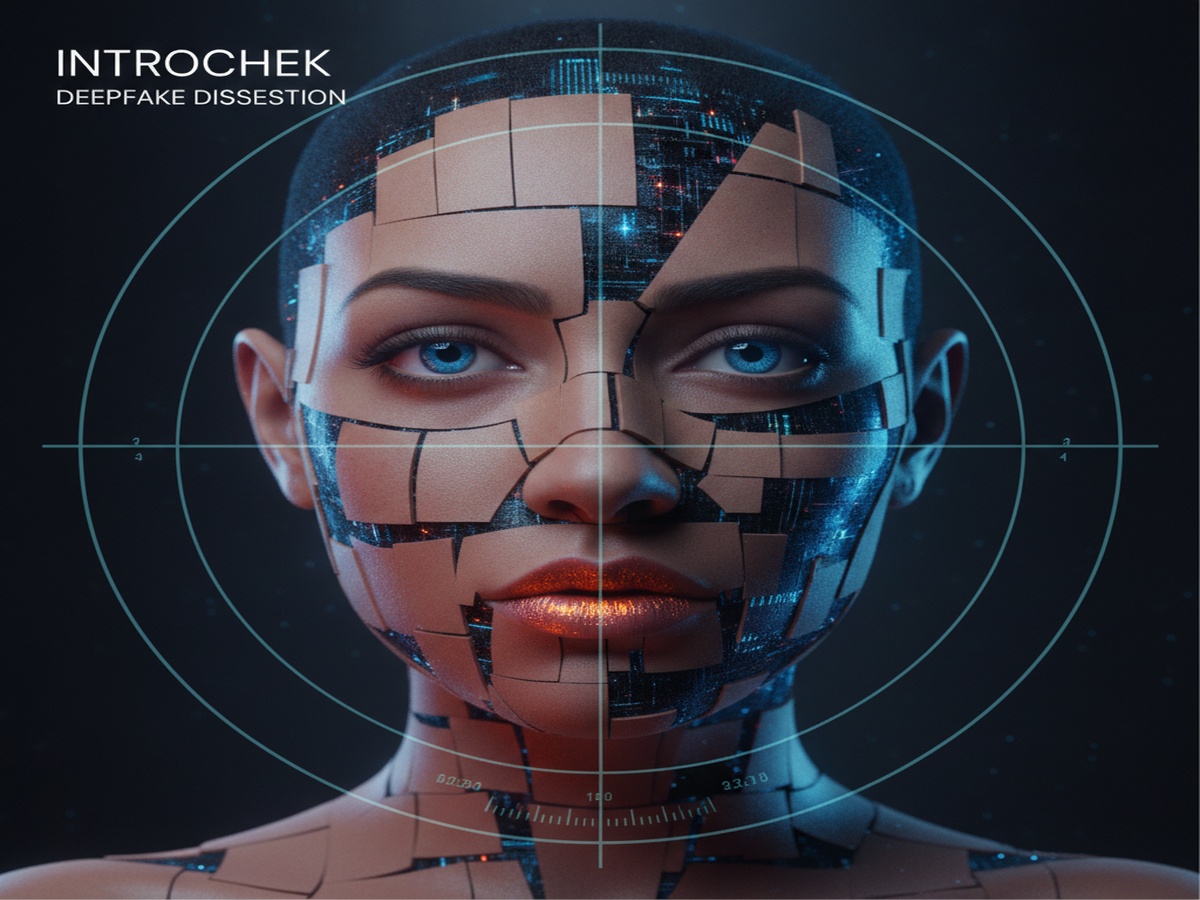 Image via TRIDENT / Introchek








Comments are off for this post.